€ 462.81 /Month
€ 217.48 /Month
€ 217.97 /Month
€ 255.26 /Month
€ 262.07 /Month
€ 323.47 /Month
€ 268.65 /Month
€ 270.14 /Month
€ 297.75 /Month
€ 313.20 /Month
€ 390.68 /Month
€ 1,099.78 /Month
€ 420.22 /Month
Contact Dealer
Finance Calculator
Book a Test Drive
Current Offers
Toyota Ireland is proud to continue its long-standing relationship with Special Olympics. Supporting inclusion and the power of sport to transform lives.
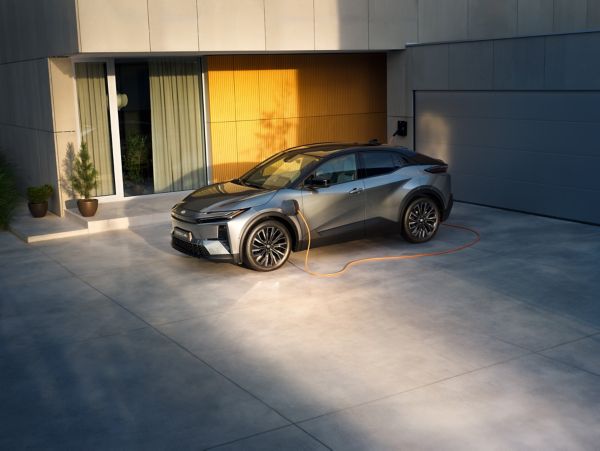
Toyota Ireland is delighted to announce the arrival of the all-new, all-electric Toyota C-HR+.
A new Toyota and Lexus Motor Insurance product was launched in Ireland, offering Toyota and Lexus drivers convenient access to tailored motor insurance cover.
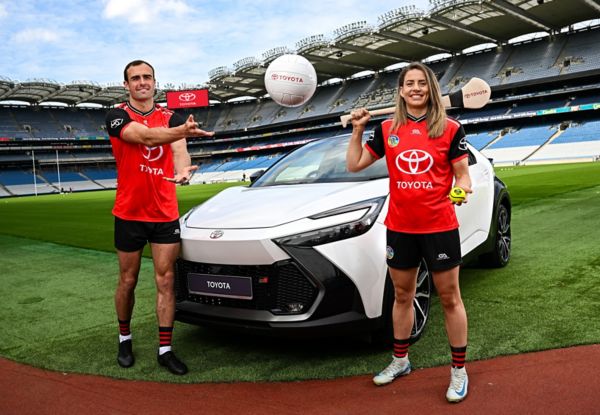
Toyota Ireland has announced a new three-year partnership with The Camogie Association and GAA/GPA which sees Toyota become the Official Car Partner.
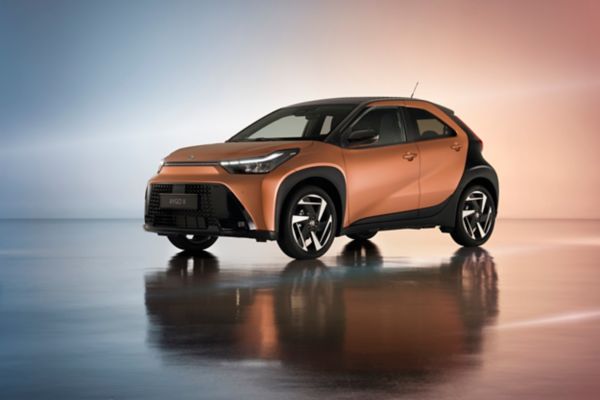
First introduced to Ireland twenty years ago, the all-new Aygo X Hybrid completes Toyota’s shift to a fully electrified passenger car range.
Limited-time finance offers available from as low as 6.9% APR for April only on selected Toyota models.
All-new battery electric Toyota C-HR+ will be a core model in Toyota’s Battery Electric Vehicle SUV offensive.
Toyota Tops January New Car Sales Market for 5th Consecutive Year. Petrol Plug-In Hybrids make a 61.6% YOY increase.